
"jute sacks"
40 article(s) found
Historical story of coffee sacks what is jute and its advantages why raw coffee beans are packed in jute bags
One of the unsung heroes of the global coffee trade is the humble jute bag. Cheap, sturdy and environmentally friendly, jute bags allow intercontinental transportation of raw coffee, roasting from origin to every step in the process. But how did jute become synonymous with raw coffee? In order to find the answer, we are studying the history of this kind of textile with a history of hundreds of years in order to understand its development process and the world.

Black Crystal Farm of Tanzania details the special sack coffee in Tanzania.
Professional baristas please pay attention to the coffee workshop (Wechat official account qianjiecoffee), which is a rough fiber made from tequila leaves, similar to jute bags, which are banned by the local government to protect the sisal industry in Tanzania, while sacks made of sisal do not have the special earthy smell of jute bags. Coffee in Tanzania is called Kahawa kahawa, although

Coffee bean sack ingenious use of raw bean information detailed explanation of Manning coffee bean sack transformation into an one-shoulder bag
After drinking so much freshly roasted coffee, you must have received a lot of well-sealed coffee bean bags. But have you ever seen a sack with raw coffee beans? Don't underestimate these jute bags, they are by far the oldest coffee packaging material. According to the Food and Agriculture Organization of the United Nations, these sacks are 100% biodegradable, recyclable and very environmentally friendly. he

Kahawa kahawa, Tanzania | Black Crystal Farm Blackburn hand-selected Bourbon, Kent style
Professional coffee knowledge exchange more coffee bean information please follow the coffee workshop (Wechat official account cafe_style) Tanzania Kahawa kahawa | Black Crystal Farm Blackburn hand-selected wash bourbon, Kent flavor? This is a rough fiber made from tequila leaves, similar to jute bags, which are banned by the local government to protect the sisal industry in Tanzania.

Packaging of coffee beans: what bag is the most suitable for packaging coffee beans?
Coffee bags can choose to use environmentally friendly materials, such as linen bags, cotton bags. General conventional packaging, especially overseas merchants like to use yellow linen to package. Jute is not only environmentally friendly and recyclable, but also can be printed with a variety of logos. Beautiful and practical. Since coffee beans naturally produce carbon dioxide after roasting, direct packaging is easy to cause packaging damage.

The most commonly used way of packaging coffee packaging coffee raw bean packaging
The most commonly used packaging method: sacks are the most commonly used and economical choice for packing and transporting raw beans, jute is a renewable resource, and sacks are cheap and do not require special skills or equipment beyond the capacity of ordinary mills and export points. However, sacks cannot isolate moisture and odor, so the coffee beans transferred are easily damaged during storage and transportation.
How to store raw beans and coffee beans
The following are the most commonly used packaging methods: sacks are the most common and economical choice for packing and transporting raw beans, jute is a renewable resource, and sacks are cheap and do not require special skills or equipment beyond the capabilities of ordinary mills and export points. However, sacks cannot isolate moisture and odor, so the transferred coffee beans are easily affected during storage and transportation.

Characteristics of planting environment of boutique coffee beans in Tanzania
The characteristics of Tanzanian coffee Ethiopia is also a major exporter of coffee to Japan, but coffee beans have been detected for pesticide residues, with exports falling from 30000 tons in 2008 to almost zero in 2009. On the other hand, the pesticides used in coffee production in Ethiopia did not exceed the Japanese standard, and the Ethiopian government was contaminated by jute bags used to transport coffee.

Will the packaging materials of raw coffee beans affect the flavor of coffee beans? what is the best packaging for raw coffee beans?
Sensory degradation of raw coffee beans may cause significant financial losses to producers, traders and roasters. However, although a certain degree of degradation is inevitable over time, the materials of coffee packaging may have a significant impact on the shelf life and quality of coffee beans. Jute, high barrier plastic, vacuum: which is really the best? How much effect does the material actually have on beans?

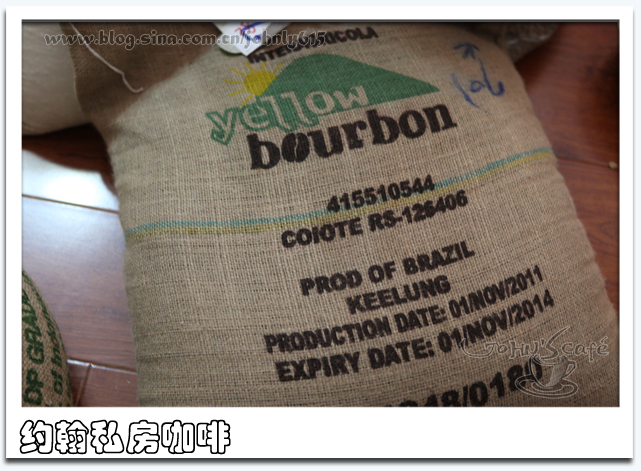
Half-sun treatment of Yellow bourbon Coffee by Brazilian Coiote Estate
Brazil is the country with the largest coffee output in the world, but most of it gives people the impression that the quality of Brazilian coffee is not satisfactory and lacks characteristics. The Doctrine of the mean has become synonymous with Brazilian coffee, and it is more used for blending. The high-quality Brazilian coffee beans suitable for a single product are much less than those in other countries and regions in Central and South America.

An introduction to Tanzanian coffee? What are the characteristics of Tanzanian coffee?
Professional coffee knowledge exchange more coffee bean information Please pay attention to Coffee Workshop (Wechat official account cafe_style) Coffee is called Cahava kahawa in Tanzania although it is not as famous as Kenya in the coffee world, but its annual output is almost the same as Kenya, mainly through competitive bidding and direct sales. The earliest Arabica seeds were introduced from the French island of Reunion in Runion.
Boutique coffee beans: an introduction to Brazilian Coiote Estate half-sun-treated Huangbourne Coffee
Brazil is the country with the largest coffee output in the world, but most of it gives people the impression that the quality of Brazilian coffee is not satisfactory and lacks characteristics. The Doctrine of the mean has become synonymous with Brazilian coffee, and it is more used for blending. The high-quality Brazilian coffee beans suitable for a single product are much less than those in other countries and regions in Central and South America. This bean is a C from Minas, Brazil.
Water content of coffee beans processed and stored fresh coffee beans fresh coffee
Boutique coffee has a rich and beautiful taste. Even if the coffee made of boutique coffee beans is not all fine coffee, it depends on whether it gives full play to the characteristics of coffee beans, whether it has a good taste, if not, it can not be called boutique coffee. The term boutique coffee was first coined by Ms. Knudsen of the United States in Coffee and Tea magazine, when

What are the main producing areas of Tanzanian coffee? Introduction to the characteristics of Black Crystal Manor Coffee in Tanzania
Professional Coffee knowledge Exchange more information about coffee beans Please follow the coffee workshop (official Wechat account cafe_style) where coffee is grown at an altitude of about 1760 to 1950 meters. The actual coffee planting area accounts for only 16% (about 187 acres) of the entire manor, and the large shade of native trees also provides the most sunny shade, so there is recently new coffee in the east and south of the manor.
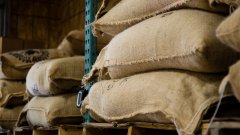
How does the packaging material affect the preservation of raw coffee beans? Introduction to the Packaging material of Coffee Bean
The poor preservation or storage of raw coffee beans for too long will lead to the decline of the flavor and aroma of roasted coffee, resulting in great losses to farmers, traders and bean bakers, although the loss caused by prolonged storage time is inevitable. however, if you can choose the right packaging to preserve it, it can effectively prolong and improve the shelf life and quality of coffee beans. So, burlap bags, high barrier bags

A brief introduction to the Origin, Development, History and Culture of Fine Coffee beans in Tanzania
Product features: smell: flower scent, clean and delicate lemon fragrance. Clean, full, it is mild and does not stimulate the smell after extraction: a variety of floral flavors: bright acidity, mellow taste, and thanks to the rich volcanic soil, it has the sweetness of mineral water, because we use medium baking techniques to make it smooth and elegant with acidity. The whole is softer than Ethiopia.

Tanzania Coffee Bean | Black Crystal Manor August Cloud Coffee Bean Flavor and Story introduction
Michael, the owner of CloudsofAugust, the black crystal estate in BlackburnEstate, Tanzania, was born in Germany and has been growing coffee for more than 20 years. In 1971, Michael first visited East Africa and fell in love with this place. In 1983, he moved to Tanzania to live for a long time and reorganized his parents' farm. At that time, the coffee trees in the black crystal estate of BlackburnEstate were almost.
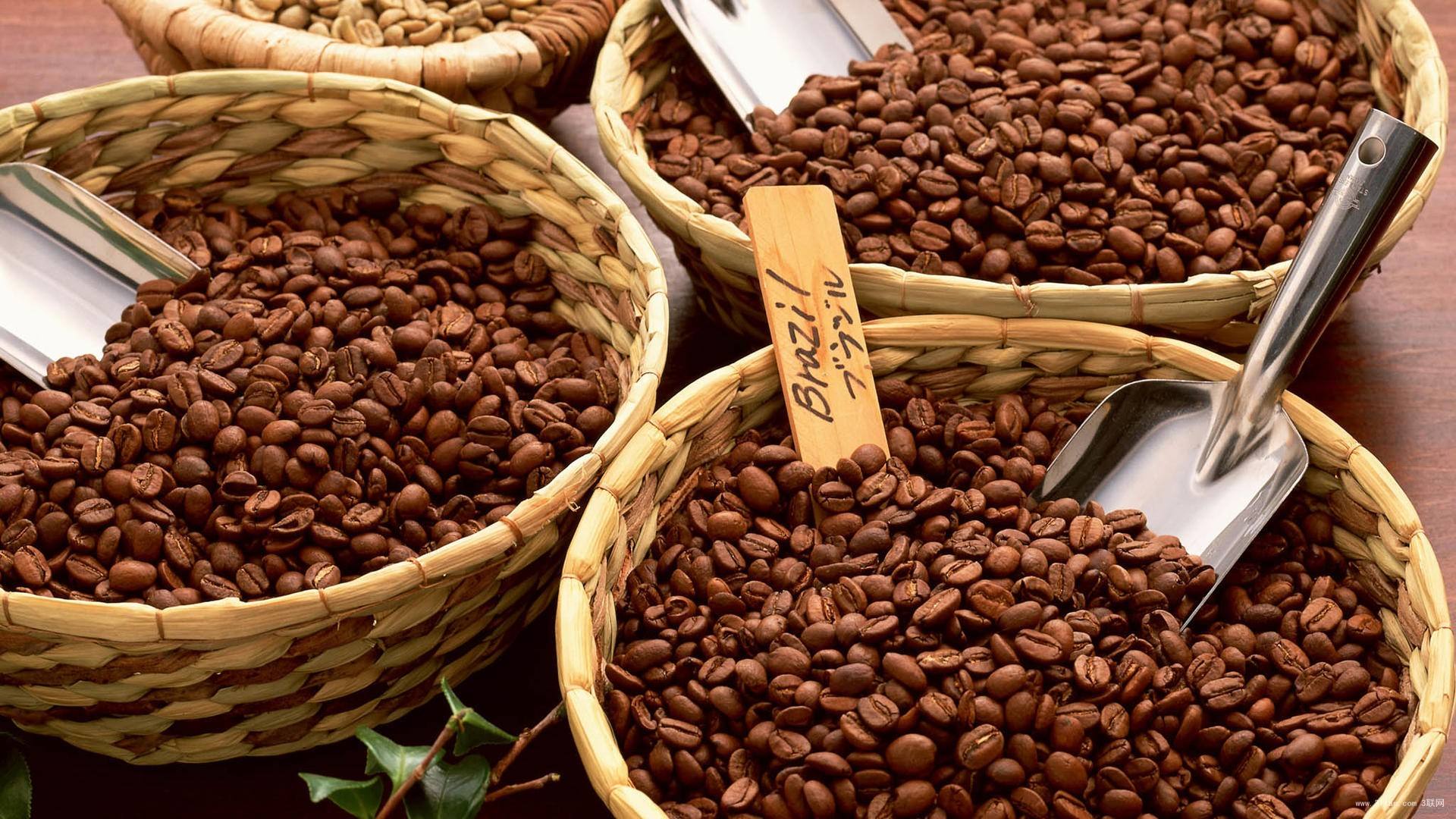
Tanzania Coffee Bean Flavor Main Description
Pay close attention to the coffee comment (Weixin Official Accounts vdailycom ) and find that the beautiful coffee shop opens its own small shop near Kenya in Tanzania. Kilimanjaro's production area is in the southern songea region, and the beans and cocoa produced are charming. Medium baking fragrance charming, sweet and sour taste better, deep baking mellow rich. Reference Flavors: Nutty, caramel, chocolate, smooth, mellow, bright.
The following are the most commonly used packaging methods for the storage of raw coffee beans
Until recent years, all coffee beans were packed in gunny bags, transported in containers, and could not reach the roasters until a few months after the beans were processed. If roasters and importers occasionally want to test coffee beans from their origin, or taste samples before shipment, they will receive coffee beans that have been damaged by the poor atmospheric environment during storage or transportation.

Black Crystal Manor in Tanzania introduces the flavor of Tanzanian coffee and suggests that Tanzania hand brew.
Professional coffee knowledge exchange more coffee bean information please follow the coffee workshop (Wechat official account cafe_style) Coffee in Tanzania is called Kahawa kahawa although not as famous as Kenya in the coffee industry, but its annual output is almost the same as Kenya, the main way of sale is through competitive bidding and direct sales, the earliest Arabica seeds are from Runion French Leni